


French Teachers’ Unions Protest Educational Reforms
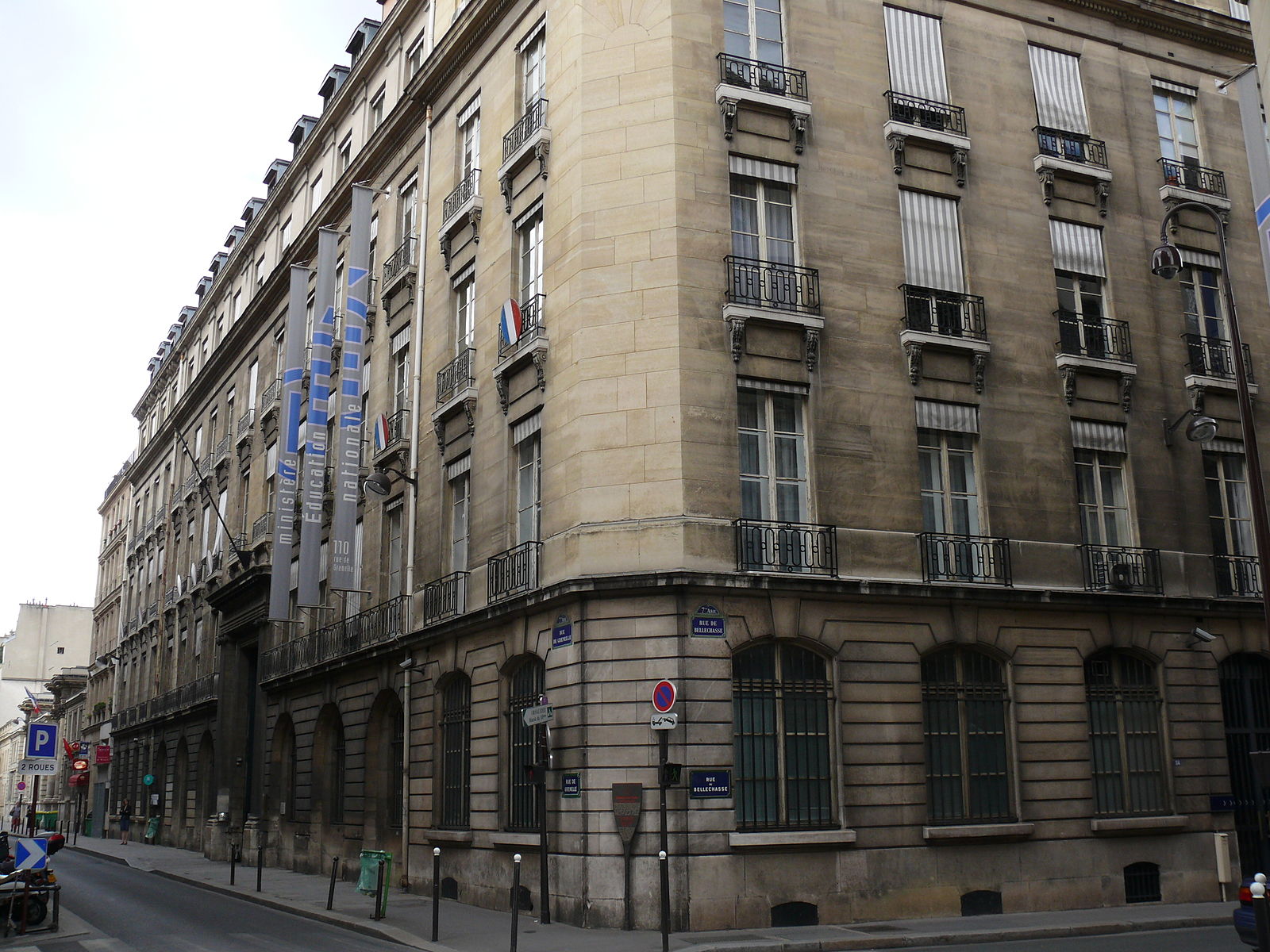
From Wikimedia Commons, accessed November 4, 2015.
By Grace Dennis
November 4, 2026
PARIS, France – On the whole, Europe, including France, is known for having incredibly accessible and affordable education, particularly when it comes to universities. Many countries even offer tuition-free schemes; among those included are Finland, Germany and Sweden. Thus it is, in a sense, slightly ironic that the incredibly subsidized and socialist secondary education-schooling system in France has continuously faced controversy.
Beginning this past May, and continuing as recently as three weeks ago, teachers all across France went on strike over government reforms implemented by Socialist President Francois Hollande. Recent reports have shown an increasing inequality in the quality of education among the schools in France, correlated with declining performance. Teachers’ unions argue that these reforms, which include implementing a cross-discipline curriculum so topics are taught by a variety of teachers and phasing out Latin and Greek, will increase the workload and create competition between the teachers. On May 19, 2015, seven teachers’ unions, which represent a full 80% of all teaching staff, joined together to protest the reforms. These teachers fear that the reforms, intended to revamp the secondary education system, may actually have the unintended effect of creating more inequality between education standards in different schools.
While the strike was particularly prominent in May, from my personal experience in France living with two secondary school teachers, I know that teachers have continued to protest into this new school year. This has put additional strain on the teachers who have continued to work, despite the strikes, and has also created chaos among the organization. In August, at the beginning of this school year, one of the middle school teachers with whom I am living said he showed up work just to find out he did not have students, while other students were assigned to a class without a teacher. Because private education schools are not a particularly popular option in France, the students and parents are upset about the quality of education disparity while the teachers are perturbed by the increased workload. A socialist education system is in many ways a good option, but it is certainly not without its possible drawbacks.