


The Future of Nuclear Power: An Offshore Solution
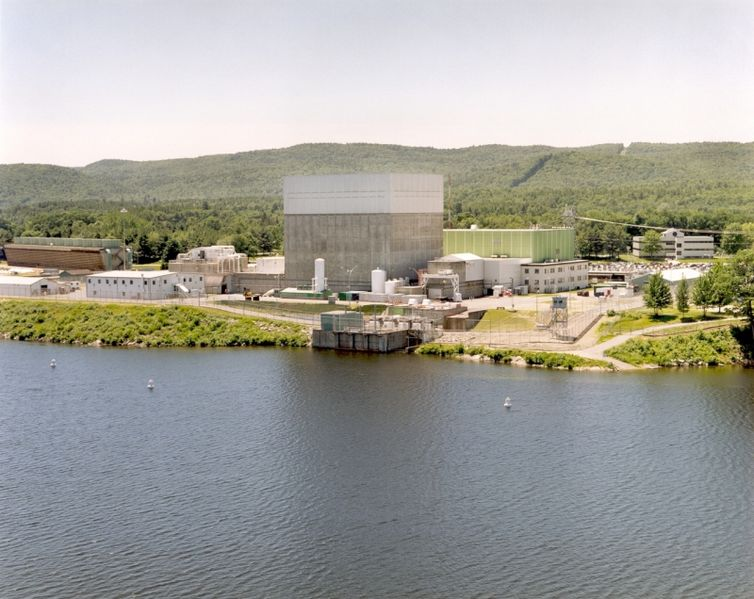
Nuclear Regulatory Commision, The Vermont Yankee Nuclear Power Plant.
By Patrick Schmidt
May 8, 2026
After a series of radiological fallouts over the past fifty years, the appeal of nuclear power plants has fallen greatly. To citizens, they risk a devastating meltdown. To electric companies and the government, nuclear power stations represent major headaches ranging from public relations to security. In the past couple of years, an old idea has resurfaced to possibly give new life to the future of nuclear power around the globe.
Since the late 1960s, numerous designs have been developed for offshore-nuclear power plants. However, recently a group of engineers from the Massachusetts Institute of Technology as well as other academics from American universities presented this design to a conference organized by the American Society of Mechanical Engineers.
This plan draws from the advanced designs that are used for offshore-oil rigs that the engineers argue have been extensively tried and tested by the offshore drilling industry. The nuclear power plant rig would be secured to the ocean floor and use the endless supply of seawater to cool its reactors. The generated electricity would then be transmitted via undersea cables to stations on shore. The group believed that offshore designs could completely replicate some of today’s largest onshore reactors.
The group of engineers argued that their design would solve a number of problems facing nuclear power today. First, nuclear reactors require a vast supply of water for coolant. This requirement often means that power plants have to be constructed on desirable and valuable waterfront property, which upsets local residents. In terms of safety, the reactor can be submerged beneath the surface of the ocean in a compartment that would act like a heat sink and eliminate the need to pump water into the reactor as coolant. The ocean would also act as a barrier that protects against tsunami and earthquake damage. Unlike its land-based counterparts, offshore reactors could be towed away and disassembled at the end of its life.
Despite the positive aspects of the plan, the development of offshore nuclear reactors is unlikely to go forward without opposition. New policies and regulations would have to be established for this new sector of the energy industry. Still security and environmental concerns seem to present a major obstacle. While this design does boast some major engineering and technological advances, it appears that it will be a while before any such reactors could begin to appear on our coasts.