


2014: A Year for Personalized Medicine
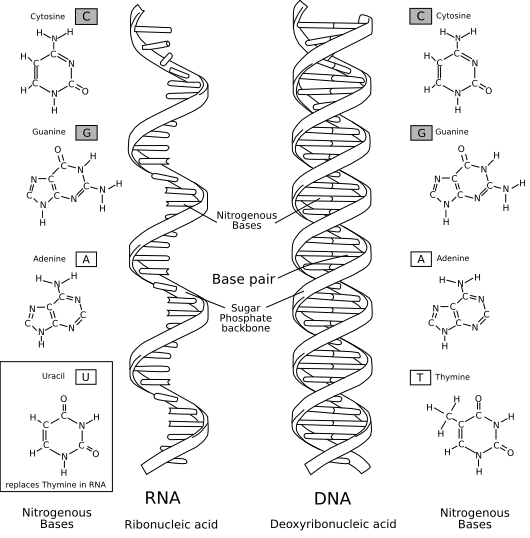
March 7 2006, Antilived, Fabiolib, Turnstep, Westcairo (Wikipedia), The Genetic Code.
By Liam Conway-Pearson
February 4, 2026
Two huge scientific discoveries that could pave the way for a new approach to medicine have already been publicized in the first month of 2014. Researchers in Japan have recently found a new way to create stem cells, a heated, ethical topic. Stem cells are the precursor to the diverse range of cell types that exist in a mature human. These cells can differentiate into any kind of cell found in a person. Previously, the only way to obtain these was from embryos, a very controversial issue that halted much development in the field. Recent research indicates that some cells can be “genetically reprogrammed” to revert to their stem cell roots. A novel way to do this was demonstrated by the Japanese team in which blood cells subjected to acidic conditions could become stem cells. This is revolutionary in that acid baths are substantially cheaper than the type of genetic conditioning that was done previously. These cheaper and ethically-uncharged stem cells could be used to treat a wide variety of illnesses, ranging from some types of blindness to potentially treating cancer, along with many others. Current research in stem cell therapy is incredibly expensive, although it has revealed potential.
At the same time, a company in California has unveiled a new machine that can sequence a full human genome for under $1000. This milestone has been a target for more than a decade, although the original prize for the goal was withdrawn. This development will usher in a new era of personalized medicine. With sequencing becoming so much cheaper, complex genetic diseases like cystic fibrosis and even cancer may be better understood and possibly prevented. As all known life on Earth is based on DNA (or the related RNA), this development also has the capacity to shed light on various evolutionary questions. For example, recent research has shown that several genetic conditions were inherited through interbreeding with Neanderthals. In any case, the ability to see any patient’s genome will fundamentally alter the field of medicine as we know it, especially as the process grows even cheaper.
Although these two developments are highly significant, their impact may be several years down the road. The use of stem cells must still be developed even though their creation has gotten cheaper. Likewise, it will take some time before genetic sequencing will become an easy-to-use and commonplace technique in diagnosis and treatment. These developments, however, could eventually transform modern medicine.