The Five & One is a weekly roundup of major political events. After sifting through the most recent news stories, we choose five that are individually significant or have dramatic implications. We offer a brief summary and analysis of each to explain its importance. We also include one story which is receiving plenty of attention but has few direct implications for policy.
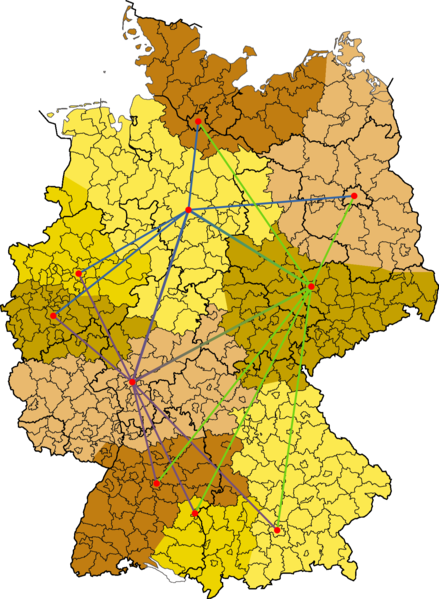
Creative Commons picture by ucc.
Care
5. Google Reveals New Advocacy Tools
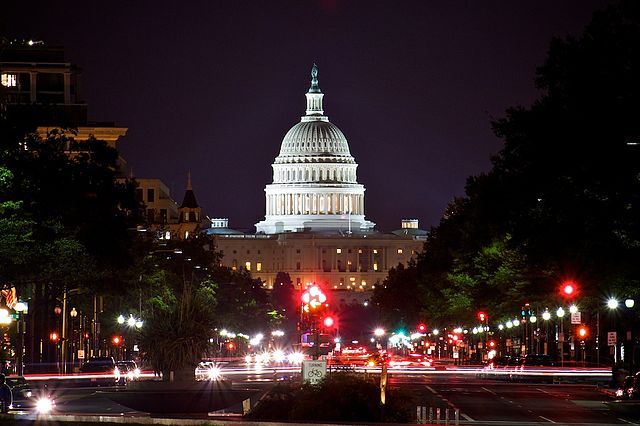
Washington, DC on August 17, 2011. Creative Commons photo by Zach Rudisin.
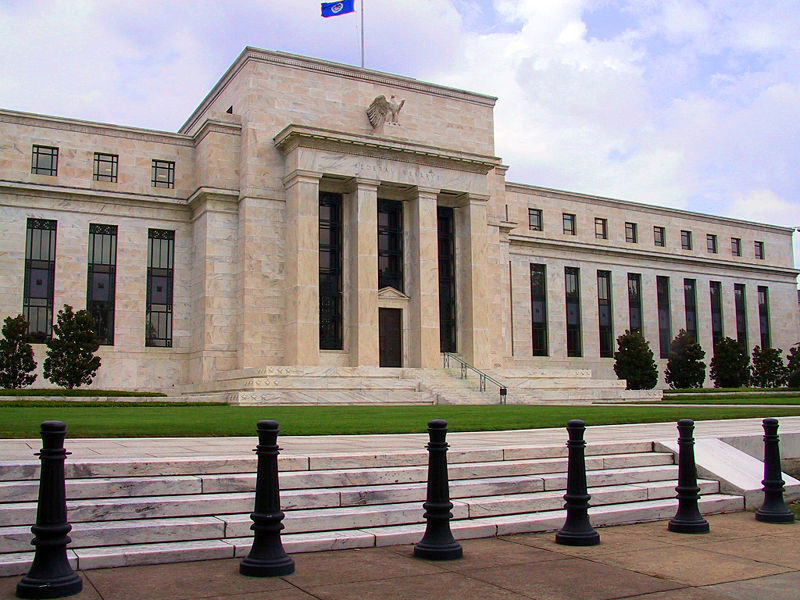
The US Federal Reserve, Feburary 15, 2005. Creative Commons photo by Dan Smith.
Care
5. Suits Against UN Over Cholera in Haiti
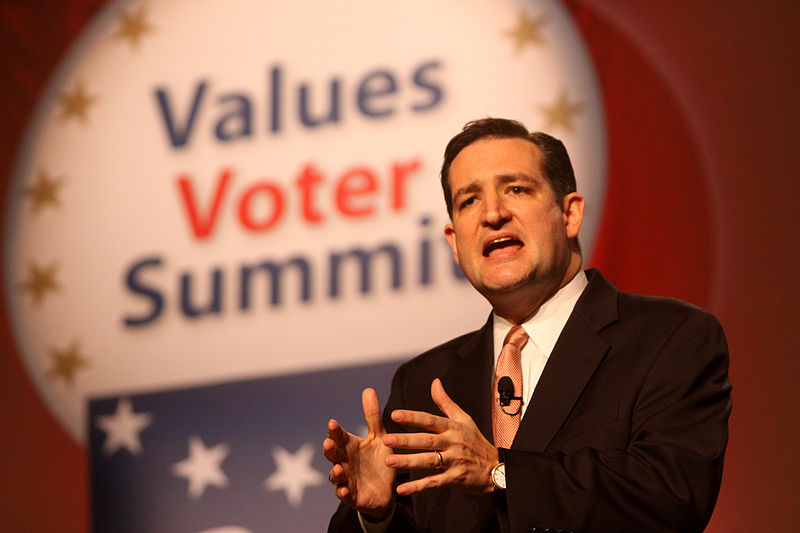
Senator Ted Cruz at the Value Voters Summit on October 7, 2013. Photo by Gage Skidmore.
Care

President of Iran, Hassan Rouhani. Creative Commons photo from http://www.rouhani.ir/.
Care
5. China Eases the Great Firewall

An aircraft of the Israeli Air Force during a training exercise. Photo credit to nagillum.

Euro symbol in front of the ECB in Frankfurt, Germany. Image courtesy of Wikimedia Commons.
Care
1. Austerity Paper Discredited
The past week has not been good for supporters of austerity policies as the flaws in the Reinhart-Rogoff paper made known last Monday have now become heavily publicized. Carmen Reinhart and Kenneth Rogoff published the working paper “Growth in a Time of Debt” in January 2010, and over time it became the academic foundation for those supporting austerity in the US and EU. The paper concluded that government debt equal to over 90 percent of the GDP resulted in notably less growth. While influential, a Ph.D candidate student at the University of Massachusetts discovered that the paper had several faults, one of which was a simple Excel error. The critique he published may now be just as famous as Reinhart-Rogoff itself.